

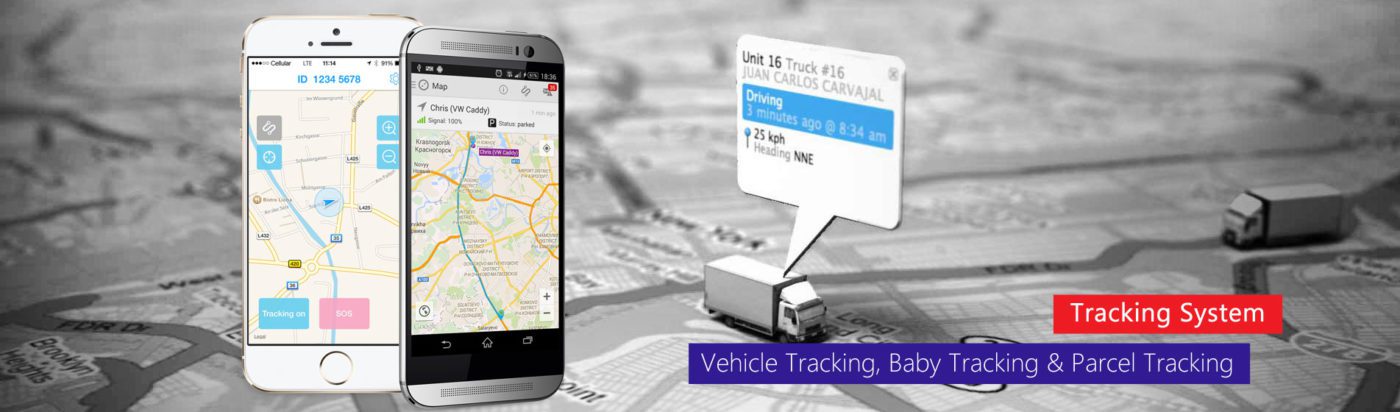
In today’s fast-paced logistics and transportation industry, the efficient management of trucks is critical to business success. The UAE, with its booming trade and construction sectors, sees thousands of trucks navigating highways daily, transporting goods across cities, ports, and industrial hubs. Managing these fleets effectively requires precision, accountability, and real-time monitoring. This is where electronic tracking system for trucks in UAE have become indispensable.
Studies indicate that companies implementing electronic fleet tracking can reduce operational costs by up to 20% and improve delivery efficiency by over 30%. For UAE-based transport operators, these systems not only optimize operations but also enhance safety, security, and regulatory compliance in a region with heavy traffic and high-value cargo transportation.
What Is an Electronic Tracking System for Trucks?

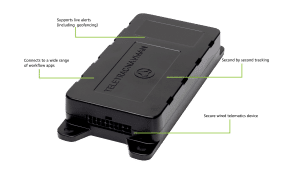
An electronic tracking system, often referred to as a GPS fleet tracking system, is a technology solution that monitors and manages trucks using GPS devices, sensors, and software platforms. It enables fleet operators to:
- Track vehicle location in real-time
- Monitor driving behavior
- Optimize routes
- Ensure timely maintenance
- Reduce fuel consumption
- Protect cargo from theft
Modern electronic tracking systems integrate GPS, IoT sensors, telematics, and cloud-based platforms, giving operators complete visibility over fleet operations.
Why Truck Tracking Systems Are Crucial in the UAE
1. Efficient Fleet Management
In a country like the UAE, where logistics play a key role in economic activity, tracking systems allow operators to monitor multiple vehicles simultaneously. Fleet managers can assign jobs, optimize routes, and coordinate deliveries from a centralized dashboard, ensuring that operations run smoothly.
2. Real-Time Location Monitoring
With electronic tracking, operators can see the exact location of every truck on the road. This allows for timely interventions in case of delays, traffic congestion, or emergencies. Customers also benefit from accurate delivery updates.
3. Enhanced Driver Accountability and Safety
Tracking systems monitor driving behaviors such as speeding, harsh braking, and idling. Alerts can be configured to notify operators of unsafe practices, reducing accidents and promoting safer driving. Driver accountability also improves operational discipline and reduces liability risks.
4. Fuel Efficiency and Cost Savings
Monitoring routes and driving behavior helps reduce unnecessary mileage and fuel wastage. Optimized routes not only cut fuel costs but also improve delivery timelines, allowing companies to save significantly over time.
5. Cargo Security
The UAE often sees high-value shipments, from electronics to construction materials. Electronic tracking systems help prevent theft by providing real-time alerts if a truck deviates from its assigned route or experiences unauthorized stops.
6. Regulatory Compliance
Fleet operators in the UAE are required to comply with safety and transport regulations. Tracking systems simplify record-keeping, provide maintenance logs, and help ensure that trucks meet regulatory standards.
Key Features of Electronic Truck Tracking Systems
1. GPS-Based Real-Time Tracking
The core functionality involves monitoring truck locations using GPS satellites. This enables operators to track movements continuously, plan arrivals, and respond to emergencies.
2. Geofencing and Route Alerts
Geofencing allows managers to define specific routes or areas. Alerts are triggered if a vehicle leaves the designated route, enhancing security and operational control.
3. Driver Behavior Monitoring
Advanced sensors detect driving patterns such as rapid acceleration, excessive speed, or sudden braking. Data analytics generate reports to encourage safe driving practices.
4. Fuel Monitoring
Fuel sensors integrated into the system detect fuel usage, identify wastage, and help prevent fuel theft. Insights can guide fuel-efficient driving practices.
5. Maintenance Scheduling
Automated alerts track vehicle mileage and engine hours, reminding operators of preventive maintenance. This reduces unexpected breakdowns and extends truck lifespan.
6. Remote Diagnostics and Telematics
Some systems offer remote engine diagnostics, temperature monitoring for refrigerated trucks, and cargo condition tracking. This is critical for perishable goods and high-value cargo.
7. Mobile and Web Access
Operators can monitor fleets from anywhere using smartphones, tablets, or web platforms. This flexibility allows managers to make informed decisions on the go.
Benefits for UAE-Based Trucking Companies
Operational Efficiency
Electronic tracking systems reduce idle time, optimize route planning, and enhance overall fleet productivity. Companies can handle more deliveries with fewer resources.
Cost Reduction
By improving fuel efficiency, reducing maintenance expenses, and minimizing downtime, operators achieve significant cost savings.
Improved Customer Service
Accurate tracking data allows businesses to provide real-time updates to clients, building trust and ensuring on-time deliveries.
Risk Mitigation
Monitoring driver behavior and vehicle conditions lowers the likelihood of accidents, cargo loss, and liability claims.
Environmental Benefits
Optimized routes and reduced fuel consumption contribute to lower carbon emissions, aligning with UAE’s sustainability goals.
Emerging Trends in Electronic Truck Tracking in the UAE
IoT Integration
Internet of Things (IoT) devices provide detailed insights into vehicle performance, cargo conditions, and driver behavior.
AI-Powered Predictive Analytics
Artificial intelligence predicts maintenance needs, traffic delays, and route optimization opportunities.
Cloud-Based Fleet Management
Cloud platforms allow seamless access to data across multiple branches or offices, enhancing coordination.
Real-Time Alerts and Notifications
Modern systems provide instant notifications for unauthorized stops, route deviations, low fuel, or mechanical issues.
Integration with ERP Systems
Linking truck tracking with enterprise resource planning software streamlines logistics, inventory management, and supply chain operations.
Choosing the Right Electronic Tracking System in UAE
When selecting a tracking system, consider the following:
System Reliability
Opt for GPS devices and platforms with proven accuracy and minimal downtime.
User-Friendly Interface
Choose software with a clear, intuitive dashboard for easy monitoring and report generation.
Customization and Scalability
Ensure the system can grow with your fleet, offering customizable alerts, reports, and integrations.
Support and Maintenance
Select a provider that offers ongoing technical support, device installation, and software updates.
Cost Efficiency
Compare pricing models, including subscription fees, installation costs, and optional add-ons, to find a solution that fits your budget.
Conclusion
An electronic tracking system for trucks is no longer just a luxury—it is a necessity for logistics companies, transport operators, and fleet managers in the UAE. These systems provide real-time visibility, improved efficiency, driver accountability, cargo security, and cost savings. With UAE’s increasing commercial activities, reliance on precise and reliable truck management is more critical than ever.
Whether managing a small fleet or a large logistics operation, investing in an advanced electronic tracking system enables operators to enhance operational performance, ensure safety, reduce costs, and provide better customer service. By adopting the latest technology, UAE businesses can remain competitive, responsive, and efficient in an ever-demanding transport environment.