

In today’s fast-moving world, knowing where your vehicle is at any given moment has become more than a convenience—it’s a necessity. Vehicle tracking devices play a crucial role in enhancing security, improving efficiency, and providing peace of mind for individuals and businesses alike. Whether you own a single car, manage a fleet of vehicles, or operate a logistics company, vehicle tracking technology offers valuable insights and control.
This article explores what vehicle tracking devices are, how they work, their types, key benefits, and why they are increasingly essential in modern transportation.
What Are Vehicle Tracking Devices?
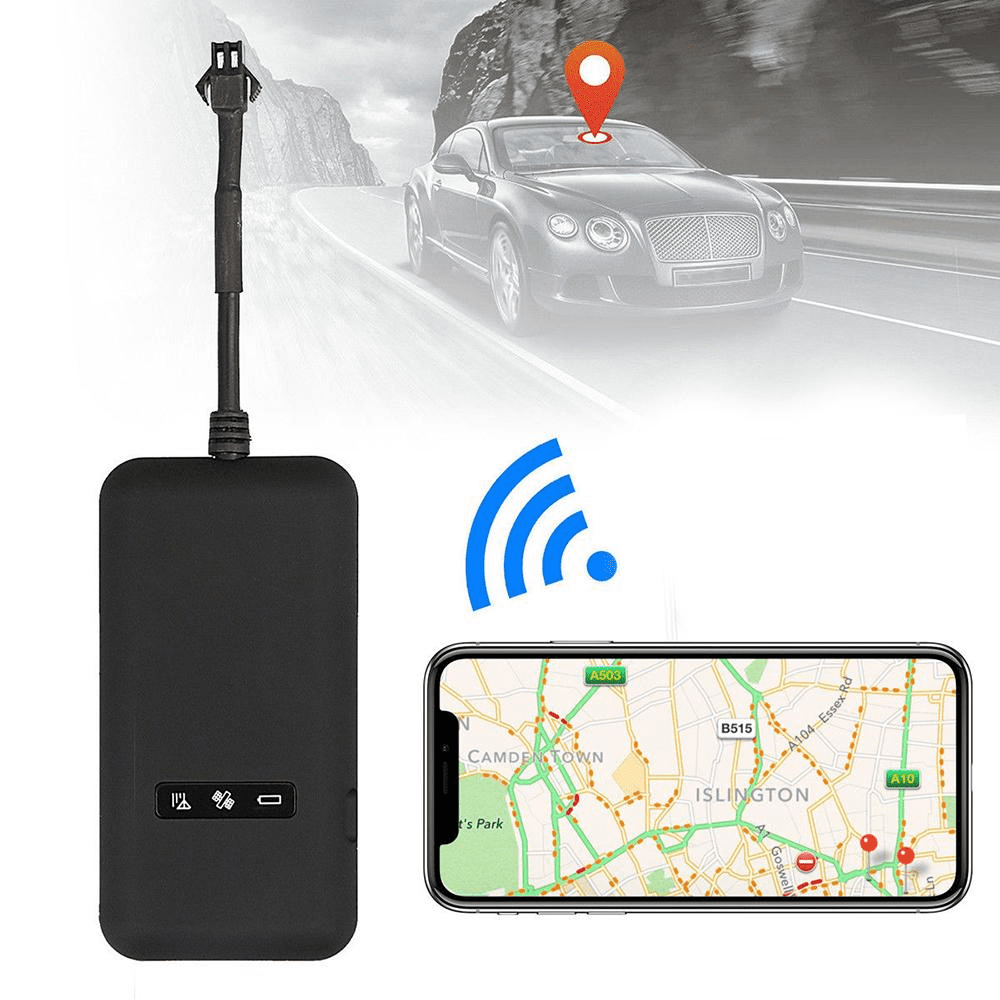
A vehicle tracking device is an electronic unit installed in a vehicle to monitor its location, movement, speed, and behavior in real time or at regular intervals. These devices use Global Positioning System (GPS) technology, often combined with cellular or satellite communication, to transmit data to a centralized platform that can be accessed via computer or smartphone.
Modern vehicle tracking systems go far beyond simple location tracking. They provide analytics, alerts, route history, and even engine diagnostics—making them powerful tools for safety and operational efficiency.
How Vehicle Tracking Devices Work
At the core of every tracking device is a GPS receiver. Here’s how the process typically works:
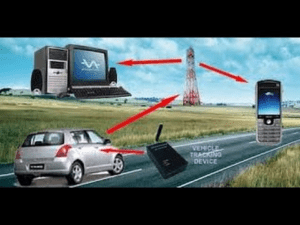
- Signal Reception: The GPS receiver communicates with satellites to determine the vehicle’s precise location.
- Data Transmission: The collected data is sent via GSM, cellular networks, or satellite communication to a secure server.
- User Access: The information is displayed on a web-based dashboard or mobile app, allowing users to track vehicles in real time or review historical data.
Some advanced systems also integrate with the vehicle’s onboard diagnostics (OBD), enabling monitoring of fuel consumption, engine health, and driving behavior.
Types of Vehicle Tracking Devices
Vehicle tracking devices come in various forms, each designed to meet specific needs.
1. GPS Trackers
The most common type, GPS trackers provide real-time location updates and route history. They are widely used for personal vehicles, taxis, and delivery fleets.
2. OBD Plug-in Trackers
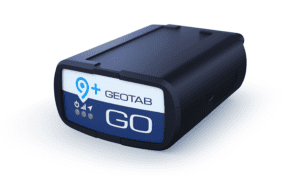
These devices plug directly into the vehicle’s OBD port, making installation simple and non-invasive. In addition to location tracking, they offer insights into engine performance, fuel usage, and fault codes.
3. Hardwired Trackers
Hardwired trackers are installed directly into the vehicle’s electrical system. They are more discreet and harder to tamper with, making them ideal for security-sensitive applications.
4. Battery-Powered Trackers
These portable devices do not require vehicle wiring. They are often used for temporary tracking, asset monitoring, or trailers. Battery life varies depending on usage and update frequency.
5. Fleet Management Systems
Designed for businesses, these comprehensive systems include multiple tracking devices, centralized software, driver analytics, and reporting tools.
Key Benefits of Vehicle Tracking Devices
1. Enhanced Vehicle Security
One of the primary reasons people invest in tracking devices is theft prevention and recovery. If a vehicle is stolen, real-time tracking significantly increases the chances of quick recovery. Many systems also send instant alerts for unauthorized movement or ignition.
2. Real-Time Monitoring
Vehicle tracking owners and fleet managers can track vehicles live, ensuring visibility and control at all times. This is especially useful for monitoring delivery schedules, service vehicles, or personal drivers.
3. Improved Fleet Efficiency
For businesses, tracking devices help optimize routes, reduce fuel consumption, and improve delivery times. By analyzing route data and idle times, companies can cut costs and boost productivity.
4. Driver Behavior Monitoring
Advanced tracking systems can monitor speeding, harsh braking, rapid acceleration, and prolonged idling. This data helps promote safer driving habits and reduces the risk of accidents.
5. Fuel Cost Reduction
Fuel is a major operational expense. Tracking devices help identify fuel wastage, inefficient routes, and unauthorized vehicle use—leading to significant savings over time.
6. Maintenance & Diagnostics
Some tracking devices provide alerts for engine issues, battery health, and scheduled maintenance. Preventive maintenance reduces breakdowns and extends vehicle lifespan.
Vehicle Tracking for Personal Use
For individual car owners, vehicle tracking devices offer peace of mind and convenience. Parents can monitor young drivers, ensuring safe driving behavior. Families can track shared vehicles, while individuals benefit from added security against theft.
In regions with high vehicle usage and busy road networks, tracking devices also help locate vehicles quickly in large parking areas or unfamiliar locations.
Vehicle Tracking for Businesses & Fleets
Fleet tracking has become an industry standard in logistics, transportation, construction, and delivery services. Businesses benefit from:
- Centralized fleet visibility
- Accurate delivery tracking
- Reduced operational costs
- Improved customer service
- Compliance with regulations
Fleet tracking systems also generate detailed reports that help managers make informed decisions and plan future operations efficiently.
Features to Look for in a Vehicle Tracking Device
When choosing a vehicle tracking system, consider the following features:
- Real-time GPS tracking
- Mobile and web app access
- Geofencing alerts
- Playback of route history
- Speed and behavior alerts
- Engine diagnostics (optional)
- Tamper detection
- Reliable customer support
Selecting a device that aligns with your needs—whether personal or commercial—ensures maximum value and usability.
Installation & Ease of Use
Most modern vehicle tracking devices are designed for quick and hassle-free installation. OBD and battery-powered trackers can be installed in minutes, while hardwired systems may require professional installation for optimal performance and concealment.
User-friendly dashboards and mobile apps make monitoring simple, even for non-technical users.
Data Privacy & Security
As vehicle tracking involves sensitive location data, it’s important to choose a provider that prioritizes data security. Look for systems with encrypted data transmission, secure servers, and clear privacy policies.
Future of Vehicle Tracking Technology
Vehicle tracking is evolving rapidly with the integration of AI, IoT, and telematics. Future systems will offer predictive maintenance, smarter route planning, and deeper insights into vehicle performance and driver behavior.
As cities become smarter and transportation networks more connected, vehicle tracking devices will play an even bigger role in safety, efficiency, and sustainability.
Conclusion
Vehicle tracking devices have revolutionized the way we manage and protect vehicles. From enhancing security and improving driving behavior to optimizing fleet operations and reducing costs, these devices provide invaluable benefits for both individuals and businesses.
Whether you’re safeguarding a personal car or managing a large fleet, investing in a reliable vehicle tracking system is a smart step toward greater control, efficiency, and peace of mind in today’s connected world.