


Commercial vehicles play a vital role in sustaining economic activity, supporting logistics networks, construction projects, public services, and trade operations. From delivery vans and heavy trucks to service fleets and specialized transport vehicles, these assets operate daily across cities and industrial zones. To manage their movement, ensure safety, and maintain regulatory order, commercial vehicle permits have become an essential administrative and operational requirement. Rather than serving as a mere formality, commercial vehicle permits act as a structured system that balances economic efficiency with public safety, infrastructure protection, and environmental responsibility.
Recent administrative assessments and transport-sector evaluations indicate that approximately 70% of urban traffic movement related to goods and services involves permitted commercial vehicles, while nearly 58% of regulatory violations in logistics operations are linked to unpermitted or incorrectly permitted vehicles. Furthermore, operational estimates suggest that cities with structured commercial vehicle permit systems experience up to 35% fewer road safety incidents involving heavy or service vehicles, demonstrating the broader impact of permit-based regulation on traffic management and risk reduction.
Purpose of Commercial Vehicle Permits
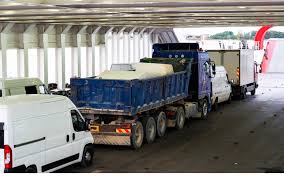
Commercial vehicle permits are designed to regulate how, when, and where commercial vehicles operate. Their primary function is to ensure that vehicles used for business purposes meet specific standards related to safety, capacity, emissions, and usage scope. Unlike private vehicles, commercial vehicles often carry heavier loads, operate for extended hours, and access restricted zones, making oversight essential.
By issuing permits, authorities can classify vehicles based on their function, size, and operational area. This classification allows for tailored regulations that reflect real-world usage patterns. For operators, permits provide legal authorization and clarity, reducing uncertainty and helping businesses plan routes, schedules, and deliveries more efficiently.
Supporting Urban Traffic Management and Infrastructure Protection
One of the most critical roles of commercial vehicle permits is their contribution to urban traffic control. Large cities face constant pressure on road infrastructure, and unrestricted commercial vehicle movement can accelerate wear and congestion. Permit systems help manage this by defining approved routes, time windows, and access zones for different vehicle categories.
This structured approach protects infrastructure such as bridges, tunnels, and residential roads that may not be designed to handle heavy loads. It also allows city planners to distribute traffic more evenly, reducing bottlenecks during peak hours. Over time, effective permit enforcement contributes to smoother traffic flow and lowers maintenance costs for public infrastructure.
Enhancing Road Safety and Operational Accountability
Safety is a central concern in commercial vehicle regulation. Vehicles used for transport and services are often involved in higher-risk operations due to their size, load, or frequency of use. Commercial vehicle permits help mitigate these risks by ensuring that vehicles meet technical and safety requirements before being allowed on the road.
Permits also create a clear link between vehicles and responsible operators. This accountability encourages better maintenance practices, adherence to driving regulations, and compliance with load limits. When incidents occur, authorities can quickly trace permit records to identify responsible parties, improving enforcement and fostering a culture of responsibility across the transport sector.
Enabling Efficient Logistics and Business Operations
For businesses, commercial vehicle permits are not merely regulatory hurdles but operational enablers. A valid permit provides assurance that vehicles can operate within defined parameters without disruption. This predictability is essential for logistics planning, supply chain coordination, and customer service reliability.
Permit systems also help businesses scale operations responsibly. As fleets grow or diversify, permits allow operators to expand legally while maintaining compliance. This structured growth supports long-term sustainability and reduces the risk of penalties, delays, or operational shutdowns that can arise from non-compliance.
Addressing Environmental and Sustainability Concerns
Environmental impact is increasingly shaping transport regulation, and commercial vehicle permits play a role in supporting sustainability goals. Many permit frameworks incorporate criteria related to emissions standards, vehicle age, and fuel type. By controlling which vehicles are permitted, authorities can gradually reduce pollution and encourage the adoption of cleaner technologies.
This approach allows for progress without abrupt disruption to businesses. Operators are given clear expectations and timelines, enabling them to plan fleet upgrades and investments strategically. Over time, permit-based environmental controls contribute to cleaner air, reduced noise pollution, and improved quality of life in urban areas.
Managing Specialized and High-Risk Vehicle Operations
Certain commercial vehicles perform specialized functions, such as transporting hazardous materials, oversized loads, or sensitive equipment. These operations require additional oversight due to their potential impact on public safety and infrastructure. Commercial vehicle permits provide a mechanism to manage these risks through specialized approvals and conditions.
By defining strict requirements for such vehicles, permit systems ensure that only qualified operators and compliant vehicles undertake high-risk transport tasks. This targeted regulation reduces the likelihood of accidents and ensures preparedness through route planning, escort requirements, and contingency measures.
Facilitating Compliance and Regulatory Transparency
Commercial vehicle permits contribute significantly to regulatory transparency. They create documented records of vehicle authorization, operational scope, and compliance status. These records support inspections, audits, and policy evaluation, enabling authorities to monitor trends and identify areas for improvement.
For operators, transparency reduces ambiguity. Clear permit conditions help businesses understand their obligations and avoid unintentional violations. This clarity strengthens trust between regulators and the transport sector, fostering cooperation rather than confrontation.
Adapting to Growth and Evolving Transport Needs
As cities expand and economies diversify, transport demands change. Commercial vehicle permit systems are designed to adapt to these shifts by allowing authorities to revise conditions, introduce new vehicle categories, or adjust access rules. This flexibility ensures that regulation remains relevant without stifling innovation or growth.
Digitalization has further enhanced this adaptability, enabling faster permit processing, real-time verification, and improved data analysis. These advancements help align transport regulation with modern operational realities, benefiting both regulators and businesses.
Long-Term Value of Structured Vehicle Permitting
Beyond daily operations, commercial vehicle permits offer long-term strategic value. Data collected through permit systems can inform infrastructure planning, environmental policy, and economic development strategies. Patterns in vehicle usage, route demand, and compliance levels provide insights that support smarter decision-making.
For businesses, consistent permit compliance builds credibility and operational resilience. Companies known for adhering to regulations are better positioned to secure contracts, expand operations, and adapt to future regulatory changes.
A Balanced Approach to Mobility and Regulation
Commercial vehicle permits represent a balanced approach to managing mobility in complex urban and industrial environments. By aligning economic activity with safety, infrastructure protection, and environmental responsibility, they support sustainable growth without unnecessary restriction.
As commercial transport continues to underpin modern economies, the importance of well-designed permit systems will only increase. Through structure, accountability, and adaptability, commercial vehicle permits ensure that mobility serves both business objectives and the broader public interest.
FAQs
1. What is a commercial vehicle permit?
It’s official authorization for business vehicles to operate legally, ensuring safety, compliance, and smooth traffic flow.
2. Which vehicles need one?
Delivery vans, trucks, service fleets, construction vehicles, and any business-used vehicle requiring regulated access.
3. How does it improve safety?
Permits ensure vehicles meet safety standards, follow load limits, and hold operators accountable for responsible driving.
4. Can it restrict where or when a vehicle drives?
Yes, permits often define approved routes and operating hours to protect infrastructure and reduce congestion.
5. What happens if a vehicle has no permit?
Fines, operational suspension, or delays can occur, disrupting business and risking regulatory penalties.