

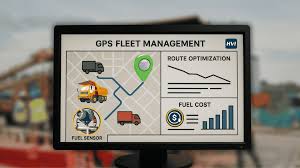
The United Arab Emirates (UAE) is rapidly embracing electric mobility as part of its sustainability and smart city initiatives. Government support, growing charging infrastructure, and corporate environmental goals are encouraging businesses to transition from conventional fuel-powered fleets to electric vehicles (EVs). While EV fleets offer significant benefits such as reduced operating costs, lower emissions, and improved brand reputation, managing them requires a different approach compared to traditional fleets.
Fleet managers who are accustomed to tracking fuel consumption, engine performance, and maintenance schedules must now focus on battery health, charging patterns, energy usage, and charging infrastructure availability. Understanding these unique requirements is essential for maximizing fleet efficiency and return on investment.
Why EV Fleet Management Is Different
Traditional fleet management focuses heavily on fuel usage, engine diagnostics, and mechanical maintenance. Electric vehicle fleets operate differently because batteries become the most valuable and critical component of the vehicle.
Fleet managers must monitor battery condition, charging schedules, energy efficiency, and charging station accessibility. These factors directly influence vehicle uptime, operational costs, and fleet productivity.
A successful EV fleet strategy requires real-time data, predictive analytics, and intelligent charging management systems that provide visibility into vehicle performance.
Battery Health and Performance Monitoring
Battery performance is one of the most important metrics in EV fleet management. Unlike fuel tanks, batteries degrade over time and their capacity gradually decreases.
Key battery metrics to monitor include:
- State of Charge (SoC)
- State of Health (SoH)
- Charging cycles
- Battery temperature
- Energy efficiency per kilometer
Tracking these indicators helps fleet managers identify performance issues before they impact operations. Regular battery monitoring can also extend battery lifespan and reduce replacement costs.
In the UAE’s hot climate, battery temperature management is particularly important. Excessive heat can accelerate battery degradation and affect driving range, making thermal monitoring a priority.
Charging Management and Infrastructure
Charging is the equivalent of refueling for electric vehicles, but it requires more planning and coordination.
Fleet managers should track:
- Charging station availability
- Charging duration
- Peak and off-peak charging times
- Charger utilization rates
- Charging costs
Smart charging systems allow organizations to schedule charging during lower electricity tariff periods, helping reduce operational expenses.
For businesses operating across Dubai, Abu Dhabi, Sharjah, and other emirates, understanding charger availability and location coverage is essential for maintaining uninterrupted fleet operations.
Energy Consumption Tracking
Energy consumption is a key performance indicator for EV fleets. Monitoring how much electricity each vehicle uses provides valuable insights into efficiency and operating costs.
Important metrics include:
| Metric | Purpose |
| kWh per kilometer | Measures vehicle efficiency |
| Total energy consumed | Tracks electricity usage |
| Energy cost per trip | Calculates operating expenses |
| Regenerative braking efficiency | Evaluates energy recovery |
| Vehicle utilization rate | Assesses productivity |
Analyzing these metrics helps fleet managers identify underperforming vehicles and optimize fleet operations.
Route Planning and Range Optimization
Range management is one of the most significant differences between electric and conventional fleets.
Fleet managers must consider:
- Battery range
- Charging station locations
- Traffic conditions
- Weather impact
- Vehicle load capacity
Advanced telematics systems can predict energy consumption based on route conditions and recommend optimal charging points. This reduces the risk of range anxiety and improves delivery schedules.
In urban centers such as Dubai and Abu Dhabi, intelligent route optimization can significantly improve vehicle utilization and operational efficiency.
Maintenance Monitoring for EV Fleets
Electric vehicles generally require less maintenance than internal combustion engine vehicles because they have fewer moving parts.
However, EV-specific maintenance tracking remains essential.
Areas to monitor include:
- Battery cooling systems
- Electrical components
- Charging ports
- Tire wear
- Brake systems
Regenerative braking systems often reduce brake wear, but tire maintenance may become more important due to the higher torque produced by electric motors.
Predictive maintenance tools can help identify issues early and prevent unexpected downtime.
Regulatory Compliance and Sustainability Reporting
Many organizations in the UAE are adopting EV fleets to support environmental goals and comply with sustainability initiatives.
Fleet managers should track:
- Carbon emission reductions
- Energy consumption reports
- Sustainability performance metrics
- Fleet electrification progress
- ESG reporting requirements
Accurate reporting demonstrates environmental responsibility and helps organizations meet corporate sustainability objectives.
As sustainability regulations continue to evolve, having detailed fleet data becomes increasingly valuable for compliance and reporting purposes.
Driver Behavior and EV Efficiency
Driver behavior has a direct impact on EV performance and energy consumption.
Important factors include:
- Acceleration patterns
- Speed management
- Idle time
- Regenerative braking usage
- Charging habits
Training drivers to adopt EV-friendly driving techniques can significantly improve efficiency and extend battery range.
Telematics solutions provide real-time feedback and performance reports, helping organizations encourage more efficient driving practices.
Data Analytics and Fleet Visibility
Modern EV fleet management relies heavily on data analytics.
Fleet managers should have access to dashboards that provide insights into:
- Vehicle location
- Battery status
- Charging activity
- Energy consumption
- Maintenance requirements
- Fleet utilization
Real-time visibility enables faster decision-making and better operational planning.
Artificial intelligence and predictive analytics are becoming increasingly important in identifying trends, forecasting maintenance needs, and optimizing charging schedules.
Conclusion
Electric vehicle fleet management in the UAE involves much more than replacing fuel-powered vehicles with electric alternatives. Organizations must adapt their tracking and monitoring strategies to focus on battery health, charging infrastructure, energy consumption, route optimization, and sustainability reporting.
As EV adoption continues to grow across the UAE, businesses that invest in advanced fleet management technologies and data-driven decision-making will be better positioned to maximize efficiency, reduce operating costs, and achieve their environmental objectives. By tracking the right metrics and embracing smart fleet management practices, organizations can unlock the full potential of electric mobility while supporting the UAE’s vision for a sustainable future.
FAQs
1. Why is EV fleet management different from traditional fleet management?
EV fleet management focuses on battery health, charging infrastructure, energy consumption, and range optimization rather than fuel management and engine maintenance.
2. What is the most important metric for an EV fleet?
Battery health is one of the most critical metrics because battery performance directly affects vehicle range, efficiency, and operational costs.
3. How does the UAE climate affect EV fleets?
High temperatures can impact battery performance and accelerate degradation, making battery temperature monitoring and thermal management essential.
4. How can businesses reduce EV charging costs?
Organizations can reduce costs by using smart charging systems that schedule charging during off-peak electricity pricing periods.
5. Do EV fleets require less maintenance?
Yes, EVs generally require less maintenance because they have fewer moving parts. However, battery systems, charging components, and electrical systems still require regular monitoring.
6. What role does telematics play in EV fleet management?
Telematics provides real-time insights into battery status, vehicle location, energy usage, charging activity, and driver behavior, helping optimize fleet performance.
7. Why is sustainability reporting important for EV fleets?
Sustainability reporting helps organizations measure carbon reduction, support ESG initiatives, demonstrate environmental responsibility, and comply with regulatory requirements.