

Owning a vehicle in Abu Dhabi comes with the responsibility of ensuring it remains roadworthy and complies with local regulations. One of the most important requirements for vehicle owners is obtaining a Vehicle Fitness Certificate, which confirms that a car meets the necessary safety and environmental standards. Whether you are renewing your registration or preparing to sell your vehicle, understanding the inspection process can save time and prevent unexpected delays.
This guide explains the requirements for obtaining a Vehicle Fitness Certificate in Abu Dhabi, how the renewal process works, and what drivers can expect during the inspection.
What Is a Vehicle Fitness Certificate?
A Vehicle Fitness Certificate is an official document issued after a successful vehicle inspection. It verifies that the car is mechanically sound, safe to drive, and compliant with the applicable road safety standards established by the authorities.
The certificate is generally required when renewing vehicle registration and may also be needed during ownership transfers or other administrative procedures.

Why Is It Important?
The primary purpose of the inspection is to improve road safety by ensuring that vehicles do not pose risks to drivers, passengers, or other road users. Regular inspections can identify issues such as worn brakes, faulty lights, damaged tires, or excessive emissions before they become serious hazards.
Maintaining a valid fitness certificate also helps vehicle owners remain compliant with legal requirements and avoid delays during registration renewal.
Who Needs a Vehicle Fitness Certificate?
Most vehicles reaching the inspection threshold established by local authorities must undergo testing before registration renewal. Requirements may vary depending on the vehicle’s age, classification, and intended use.
Private cars, commercial vehicles, and certain specialized vehicles may all be subject to fitness inspections based on applicable regulations.
Documents You May Need
Before attending an inspection center, it is advisable to prepare the necessary documentation. Commonly required items include:
- Emirates ID or other valid identification
- Vehicle registration card
- Valid insurance documentation, where applicable
- Previous inspection records if requested
- Any additional documents required for ownership transfers or special cases
Having all paperwork ready can help streamline the inspection process.
What Is Checked During the Inspection?
Vehicle fitness inspections involve a comprehensive assessment of multiple safety and operational components. Inspectors may evaluate:
Braking System
The effectiveness and balance of the braking system are tested to ensure reliable stopping performance.
Tires and Wheels
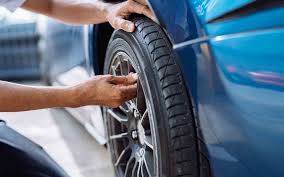
Inspectors check tire condition, tread depth, alignment, and overall roadworthiness.
Steering and Suspension
Proper steering response and suspension integrity contribute significantly to safe vehicle handling.
Lights and Electrical Components
Headlights, brake lights, indicators, hazard lights, and other essential electrical systems must function correctly.
Emissions
Vehicles may undergo emissions testing to verify compliance with applicable environmental standards.
Chassis and Structural Integrity
The inspection may include evaluation for excessive corrosion, structural damage, or defects affecting safety.
Preparing Your Vehicle Before Inspection
Taking a few preventive steps before your appointment can improve the likelihood of passing on the first attempt.
Check that all lights operate properly, replace worn windshield wipers, verify tire pressure and tread condition, ensure fluid levels are adequate, and address any warning indicators displayed on the dashboard.
Routine servicing before inspection can also help identify mechanical issues that require attention.
What Happens If the Vehicle Fails?
If the inspection identifies deficiencies, the owner is typically informed about the required repairs. After correcting the issues, the vehicle can usually be presented for re-inspection according to the applicable procedures and timelines.
Promptly addressing identified defects helps ensure continued road safety and avoids prolonged registration delays.
Renewal Process
The renewal process generally follows several straightforward steps:
- Confirm that insurance requirements have been satisfied.
- Schedule or visit an authorized vehicle inspection center if an inspection is required.
- Complete the vehicle fitness assessment.
- Resolve any deficiencies if necessary.
- Finalize the registration renewal after obtaining a successful inspection result.
Requirements and procedures may vary depending on the vehicle category and current regulations.
Tips for a Smooth Experience
To make the process as efficient as possible:
- Service your vehicle regularly.
- Replace worn tires before inspection.
- Repair cracked lights or mirrors.
- Ensure brakes are functioning properly.
- Keep maintenance records organized.
- Arrive with all required documents.
Being proactive often reduces both costs and inconvenience.
Common Reasons Vehicles Fail Inspection
Several issues frequently lead to failed inspections, including:
- Excessively worn tires
- Brake system defects
- Malfunctioning headlights or indicators
- Suspension problems
- Excessive exhaust emissions
- Damaged windshields affecting visibility
- Fluid leaks
- Steering irregularities
Routine maintenance significantly reduces the likelihood of encountering these problems.
Benefits of Maintaining a Roadworthy Vehicle
Beyond regulatory compliance, maintaining your vehicle in good condition offers practical advantages. Properly maintained cars often provide better fuel efficiency, improved reliability, enhanced resale value, and reduced repair costs over time.
Most importantly, regular inspections contribute to safer roads for everyone by identifying problems before they lead to accidents or breakdowns.
Conclusion
A Vehicle Fitness Certificate in Abu Dhabi is an essential part of responsible vehicle ownership. By understanding the inspection requirements, preparing your car in advance, and addressing maintenance issues proactively, you can complete the renewal process with minimal stress.
Keeping your vehicle roadworthy not only supports compliance with local regulations but also promotes safer driving, protects your investment, and provides greater confidence every time you get behind the wheel.
Frequently Asked Questions
1. What is the purpose of a Vehicle Fitness Certificate?
It confirms that a vehicle meets required safety and roadworthiness standards following an official inspection.
2. Is a fitness inspection required for every registration renewal?
Requirements depend on factors such as the vehicle’s age, category, and applicable regulations.
3. What should I do if my vehicle fails the inspection?
Complete the recommended repairs and present the vehicle for re-inspection according to the applicable procedures.
4. How can I improve my chances of passing the inspection?
Regular maintenance, functioning lights, healthy tires, effective brakes, and resolving dashboard warning indicators can all help.
- Does the inspection include emissions testing?
Yes, emissions may be evaluated as part of the inspection process to ensure compliance with environmental standards where applicable.